

The phrase “gambling card games” can lead to pages that use similar language while describing very different products or conditions. You want to understand how a game works rather than rely on beliefs about streaks amoicuci, patterns or guaranteed outcomes. Understanding house advantage and total stakes helps distinguish an entertainment cost from an income expectation.
Understanding the exact format is more useful than assuming that all casino games behave in the same way. Rules, pace, stake size and payout structure can vary widely, while digital interfaces can make play much faster. The most practical starting point is the game’s own information screen and a fixed spending limit.

Separate Game Rules From Betting Claims
Card-based gambling products differ in decision-making, dealing rules and how payouts are calculated. Start with the exact version’s rules, including how a round ends and what counts as a winning hand. Strategy discussions may describe decisions under a fixed rule set ibet2u, but no strategy eliminates uncertainty or guarantees a profit. Avoid applying advice for one game to another simply because both use cards.
Think in total stakes
A game’s published rules matter more than a video asserting that a particular time of day produces wins. Begin with verifiable information rather than a confident marketing adjective or an unsupported promise of winnings.
Before starting, decide how long you will play and how much you are prepared to lose. Keep that amount separate from essential money. If the game provides history displays, statistics or suggested bets, remember that these features do not create certainty about future outcomes. Stop when the planned limit is reached, even if the session ends on a loss. A predefined boundary is more protective than trying to make a new financial decision after every round.
Why Patterns Are Not a Betting Strategy
A streak of losses or wins does not establish what a random game will do next. Ideas such as “due for a payout,” “hot machine” or “guaranteed timing” do not overcome the underlying rules. Outcomes fluctuate, while the game’s structural advantage or payout terms remain relevant over repeated play. Setting a spending boundary can reduce exposure, but it cannot transform a chance-based activity into a reliable source of income.
Casino games can use cards, mechanical or digital reels, random number generators, live dealers or event-based outcomes. Each format has different rules, pace and stake options. Start with the official game information rather than relying on familiarity with a similar title. Know what creates a win, what side bets are available and how much each round costs. A simple-looking game can still involve complex payout tables or optional bets that substantially increase total spending.
Protect Your Spending Limit
Gambling involves a real risk of loss. If you participate where it is lawful, decide in advance what you can afford to lose without affecting rent, bills, food, savings or dependants. Do not borrow, use emergency funds or increase stakes to recover earlier losses. Where account controls exist, consider spending limits, time limits and self-exclusion; stepping away entirely is appropriate whenever limits are difficult to maintain.
Players often notice sequences and patterns, especially in fast casino games, but a run of previous results does not automatically make the next result due to change. The exact mechanics differ by game, yet past losses should not be used as a reason to increase a stake. Systems that promise guaranteed recovery usually increase the amount at risk. Treat each session as paid entertainment with a fixed limit rather than as a problem that can be solved by continuing until the pattern reverses.
Verify Games and Provider Information
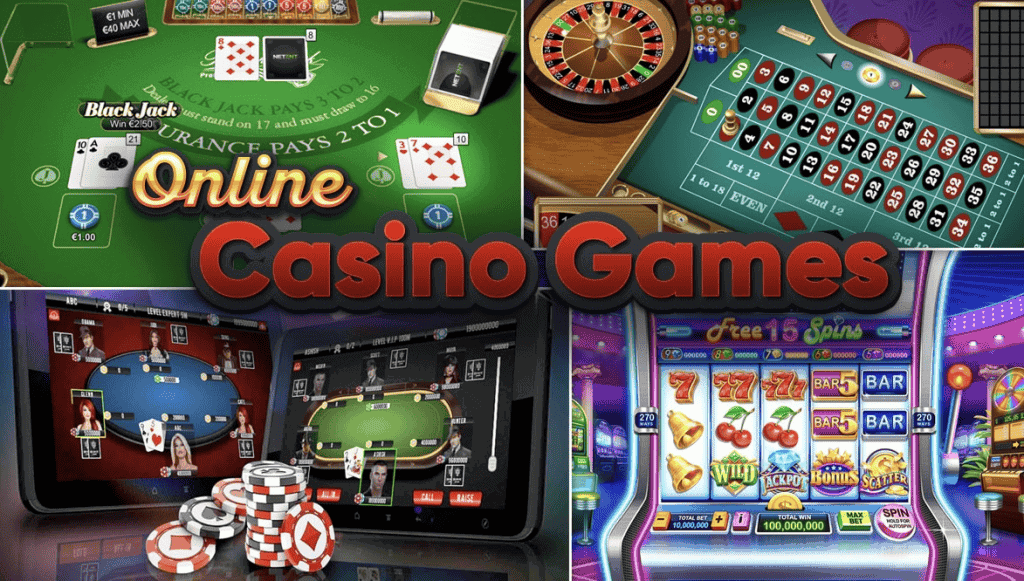
Advertisements often bundle slots, table games and live products under a broad “casino” label. Identify the exact game title, developer and applicable rules rather than assuming all versions are identical. Some titles may not be offered in every place or on every site. Independent documentation and a clearly attributed provider listing are more informative than a promotional image that gives no source or date.
The same game name can appear in a physical casino, a digital version and a live-dealer stream, but the table limits, interface and optional bets may differ. Online versions can run much faster, which increases the number of decisions made in a short period. Check the rules and stake range for the exact version you open. If speed makes it harder to track spending, use session reminders or choose a slower activity rather than relying on memory alone.
Conclusion
A useful guide to gambling card games begins with the rules of the exact game and ends with a clear spending boundary. Understand how a round is resolved, what optional bets cost and how quickly play can repeat. Do not rely on streaks or systems to recover losses. If you participate, treat the activity as paid entertainment and stop at the predetermined time or money limit rather than extending the session to change the result.
